Issue 5 Mar. 2004

Blue Blood of the Big Astana —Ibrahim A. Jubaira

Ibrahim Jubaira is perhaps the best known of the older generation of English language-educated Muslim Filipino writers and one of the most prolific, with three volumes of short stories published and two more collections of […]

Issue 5 Mar. 2004

Si Darah Biru dari Istana Besar —Ibrahim A. Jubaira

(Terjemahan oleh Bayu Kristianto) Meski hati tidak lagi peduli, pikiran selalu dapat mengingat kembali. Pikiran selalu dapat mengingat kembali, karena selalu ada hal-hal untuk diingat: hari-hari lesu masa kecil yang menyedihkan; hari-hari ceria yang dinikmati […]

Issue 5 Mar. 2004

เลือดสีน้ำเงินแห่งอัสตานา ผู้เขียน —Ibrahim A. Jubaira

ผู้แปล  ปทมา อัตนโถ (Patama Attanatho)         แม้หัวใจจะไม่ยี่หระอีกต่อไปแล้ว แต่จิตใจก็ยังมีภาพเหล่านั้นวกกลับมาอยู่ร่ำไป  จิตใจยังคงดึงภาพในอดีตกลับมาได้เสมอ ก็เพราะมีสิ่งต่างๆ ให้จดจำมากมาย ไม่ว่าจะเป็นชีวิตวัยเด็กอันแสนจะจืดชืดซึมเศร้า ช่วงที่แสนจะมีความสุขกันในวันแดดกล้า หรือเรื่องความรักแอบแฝงและชะตากรรมที่เล่นตลก   ผมจึงคิดว่า คุณหนูเองก็น่าจะจำผมได้เช่นกัน จำได้ไหมครับ  ผมกลายเป็นเด็กกำพร้าได้ปีเศษๆ ป้าก็ตกลงใจยกผมให้ท่านดาตูท่านพ่อของคุณหนู   สมัยนั้น ดาตูมีหน้าที่ดูแลคนจนและคนไร้ที่พึ่งพิง ดังนั้นป้าก็ทำถูกแล้วที่ให้ผมไปอยู่ในความอนุเคราะห์ของท่านพ่อคุณหนู  นอกจากเหตุผลนั้นแล้ว ก็เป็นเพราะป้าแกเป็นคนจนด้วย  จนขนาดที่ว่า พอยกผมให้ท่านพ่อคุณหนูแล้ว ป้าไม่เพียงได้บรรเทาความค่นแค้นของตนเองเท่านั้น แต่ยังทำให้ผมมีชีวิตความเป็นอยู่ดีขึ้นด้วย แต่พอมานึกถึงการที่ต้องพรากจากป้าไปแม้ชั่วขณะ ผมก็แทบทนไม่ได้  ตลอดเวลาที่ผ่านมานี้ ป้าเป็นเสมือนแม่ของผม และจะเป็นเช่นนั้นตลอดไป “นะฮะ บาโบ” ผมร้องขอ  “เลี้ยงผมต่อไปอีกสักหน่อยเถอะฮะ ขอให้ผมอยู่กับป้าไปจนโตเถอะนะฮะ แล้วผมจะสร้างบ้านให้ป้า  สักวันผมจะตอบแทนป้าให้ได้  ให้ผมช่วยยังไงก็ได้ฮะ  นะ บาโบ นะฮะ […]

Issue 5 Mar. 2004

Peace Demands Trust and Truth

In this 25 March 2004 Bangkok Post commentary, Assistant Editor Sanitsuda Ekachai connects unrest in the South and the 14 March disappearance of civil rights lawyer Somchai Neelapaijit with other recent disturbing events in Thailand – the […]

Issue 5 Mar. 2004

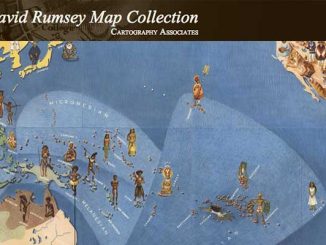
Review: David Rumsey On-line Historic Maps

URL: davidrumsey.comCreator: David Rumsey, President, Cartography Associates, San Francisco, California The Past as a Foreign Country: Exploring Historical Maps on the Internet [quote]It appears that the operational domain of the mapping discourse extends far beyond the […]

Issue 5 Mar. 2004

Young Muslims Speak Out

A young man sat calmly in front of judges in a court room in Denpasar, Bali. With long hair and a beard, he looked different when he was arrested in West Java a couple of months earlier. Imam […]

Issue 5 Mar. 2004

Women and Islam in Malaysia

There is tremendous preoccupation with Islam in Malaysia today. Unfortunately, much of it is focused on form rather than substance, the effects of which are largely felt by Muslim women. Malaysia portrays itself as a […]

Issue 5 Mar. 2004

Beyond the Jilbab

Yuli Suriani is a student at the Banda, Aceh-based Syiah Kuala University, who also works as a radio broadcaster. She is petite and usually wears blue jeans and a canvas jacket. Like most women in Banda, […]

Issue 5 Mar. 2004

“A Plural Peninsula” at Walailak University

Historical Interactions among Thai, Malays, Chinese, and Others A workshop organized by:Asia Research Institute, National University of SingaporeRegional Studies Program, Institute of Liberal Arts, Walailak UniversityInstitute of Asian Studies, Chulalongkorn University Held at Walailak University, […]

Issue 5 Mar. 2004

สายใยแห่งภราดรภาพ: บนสายรากวัฒนธรรมไทยทักษิณกับมลายูตอนบน

ความเป็นตัวตนของผู้คน/ชุมชนย่อมผสานด้วยส่วนที่เป็นองคาพยพทางกายภาพและองคาพยพทางจิต  อันได้แก่ส่วนที่เป็นรูป หรือรูปแบบ (Form) องค์ประกอบ (Element) บทบาท (Role) หน้าที่ ( Function) และความเข้มแข็ง (Strength) ความเป็นอัตลักษณ์ที่แท้จริงของชุมชนจึงประกอบด้วยองคาพยพ(อวัยวะ)น้อยใหญ่ที่เป็นรูปธรรมตามสายรากแห่งชาติพันธุ์ด้านพันธุกรรมหรือเชื้อชาติสายรากหนึ่ง และอีกสายรากหนึ่งคือส่วนที่เป็น  “บุคลิกภาพ” ซึ่งสำแดงผ่านพฤติกรรมและวิถีคิดตามครรลองแห่งจารีตนิยมของกลุ่มอันอนุโลมว่าเป็นชาติพันธุ์ด้านวัฒนธรรมซึ่งมี “เจตนา” หรือธรรมาพยพเป็นตัวกำกับและขับเคลื่อน  ดังนั้นความเป็นตัวตนของผู้คน / ชุมชนจึงมีการเปลี่ยนแปลง เคลื่อนไหว หรือพลวัตอยู่ตลอดเวลา ไม่มีการหยุดนิ่ง ความเป็นคนไทยภาคใต้ตอนล่างและความเป็นคนมาเลเซียตอนบนจึงต้องมองผ่านทั้ง๒ องคาพยพ  โดยการมองทั้งส่วนที่ย้อนอดีต  ส่วนที่กำลังก่อตัว และส่วนที่พึงพยากรณ์ได้ในอนาคต มองการร่วมสายรากแต่ดึกดำบรรพ์ ชุมชนในพื้นที่ภาคใต้ตอนล่างและในมาเลเซียตอนบนมีโครงสร้างระดับรากเหง้าร่วมกันเพราะต่อ เขตแดนกันและตั้งอยู่ในเขตใกล้เส้นศูนย์สูตรด้วยกัน ต่างก็มีสภาพอากาศร้อนชื้นและลมมรสุมพัดผ่านตลอดทั้งปี  โครงสร้างทางกายภาพจึงเอื้อให้โครงสร้างทางชีวภาพเหมือนและคล้ายคลึงกัน  เหมือนคนร่วมสายโลหิตกันมาและพลวัตเคียงคู่กันมาโดยตลอด เช่น ความหลากหลายคล้ายคลึงของประชากรพืช  ประชากรสัตว์ และความหลากหลายทางชีวภาพอันเป็นปัจจัยให้เกิดความหลากหลายทางภูมิปัญญาและวัฒนธรรมของชุมชน  อันเนื่องแต่ทรัพยากรธรรมชาติและสภาพแวดล้อมที่ใกล้เคียง / เหมือนกัน มองในแง่ประวัติศาสตร์ทางชาติพันธุ์  ย้อนรอยประวัติศาสตร์ไปเมื่อประมาณ ๓๕๐๐ […]

Issue 5 Mar. 2004

Yunnanese Muslims along the Northern Thai Border

In the northern reaches of the modern Thai nation-state, along the borders of Myanmar and Laos, people have been on the move since ancient times following seasonal migration routes, pursuing trade, and making new settlements. […]

Issue 5 Mar. 2004

Comment on ARMM Education Policies

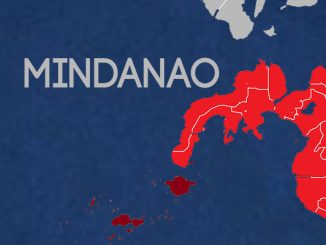
First I would like to express appreciation towards the movement within the Autonomous Region in Muslim Mindanao (ARMM) to develop a high quality and relevant basic education system, including the madrasah that will prepare students […]

Book Reviews

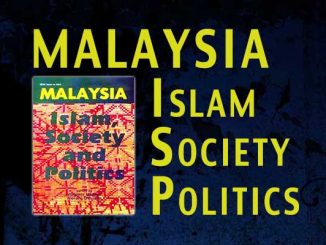
Book Review— Malaysia: Islam, Society and Politics

Malaysia: Islam, Society and PoliticsVirginia Hooker and Norani Othman, editorsSingapore / ISEAS Series on Islam, Institute of Southeast Asian Studies / 2003 This collection of essays has been prepared as a tribute to Clive S. […]

Book Reviews

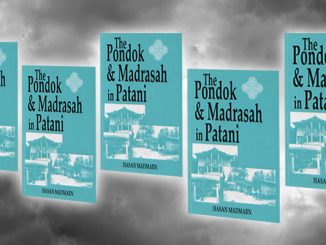
Book Review: The Pondok and the Madrasah in Patani

The Pondok and the Madrasah in PataniHasan MadmarnBangi / Universiti Kebangsaan Malaysia Press / 1999 The study of traditional Islamic institutions in Southern Thailand has not received much systematic and scholarly attention. Institutions such as […]

Issue 5 Mar. 2004

Book Review— The Transformation of Chinese Society in Postwar Singapore: Localizing Process, Regional Networking, and Global Perspective

The Transformation of Chinese Society in Postwar Singapore: Localizing Process, Regional Networking, and Global Perspective战后新加坡华人社会的嬗变:本土情怀,区域网络,全球视野刘宏(Liu Hong)Xiamen / 厦门大学出版社(Xiamen Daxue Chubanshe) / 2003 Liu Hong’s recent Chinese-language monograph, published in the Xiamen University Press series on Southeast Asia and […]

Issue 5 Mar. 2004

After the Fall of Baghdad

Defeatism is an internalized feeling of defeat, a melancholic mournfulness that eventually imprisons one in a dark web. It is like a labyrinth or a path that splits endlessly. Taking a lesson from the bitter […]

Issue 4 Oct. 2003

An Assessment of the Philippine Economy

This report discusses the cyclical and unsustainable pattern of Philippine economic growth, the factors precipitating the economy’s cyclical downswings, the contribution of the various sectors and implicit growth strategy, the effect on employment by gender, and the state of the country’s natural resources and environment. It argues that the cyclical pattern of growth and movement in income are related not only to the pattern of spending at the macro level, the nature of electoral politics, and developments at the sectoral and regional level. They are also affected by the unsustainability of the implicit growth strategy prior to the 1980s, limitations of the current liberalization strategy, and the state of the country’s natural resources and environment. […]


Issue 4 Oct. 2003

An Assessment of the Philippine Economy (October 2013 —Abstract)

This report discusses the cyclical and unsustainable pattern of Philippine economic growth, the factors precipitating the economy’s cyclical downswings, the contribution of the various sectors and implicit growth strategy, the effect on employment by gender, and the state of the country’s natural resources and environment. It argues that the cyclical pattern of growth and movement in income are related not only to the pattern of spending at the macro level, the nature of electoral politics, and developments at the sectoral and regional level. They are also affected by the unsustainability of the implicit growth strategy prior to the 1980s, limitations of the current liberalization strategy, and the state of the country’s natural resources and environment. […]