


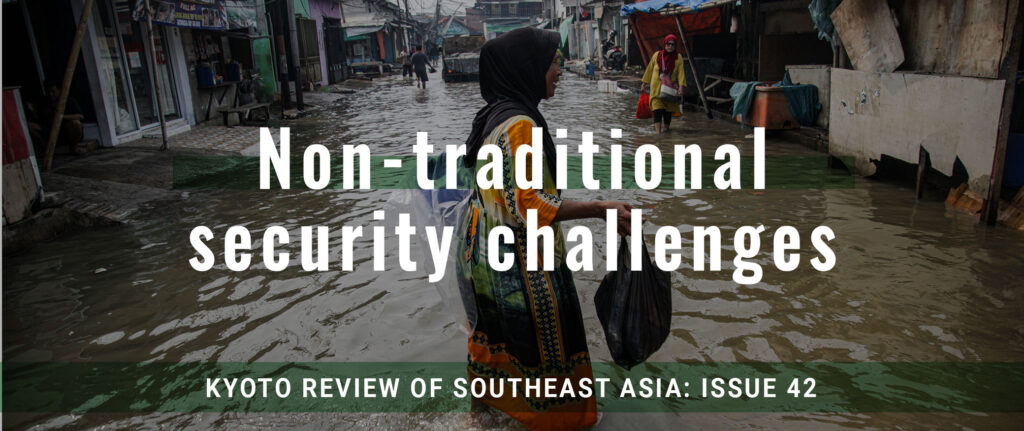
While more recognizable forms of human insecurity take center stage in Southeast Asia, such as lingering civil war in Myanmar, political fragility and strained relations between Thailand and Cambodia, no less problematic insecurities have emerged in the region that are equally difficult to contain. This issue of the Kyoto Review examines several cases of non-traditional security concerns, from the grave threats posed by climate change, the proliferation of scam operations in Myanmar and Cambodia, terrorism and religious intolerance, and more.
The scope of non-traditional security challenges have grown, evidenced recently in the catastrophic damages caused by the COVID-19 pandemic, where border closures for health and security purposes had wide ranging impacts on the region’s long-term economic outlook. The pandemic also had consequences for democratization, as several states used the regional health emergency to curtail political speech and crackdown on legitimate criticism of pandemic responses. Another emerging challenge is the devastation caused by natural disasters, including floods, drought, tropical storms, and earthquakes. Myanmar, a state known for for political volatility, is particularly prone to the adverse effects of natural disasters, evidenced by a 7.7 magnitude earthquake in April 2025. For a region containing porous borders, non-traditional security threats exacerbate existing challenges, such as labor migration, the influx of refugees and asylum seekers, and food insecurity.
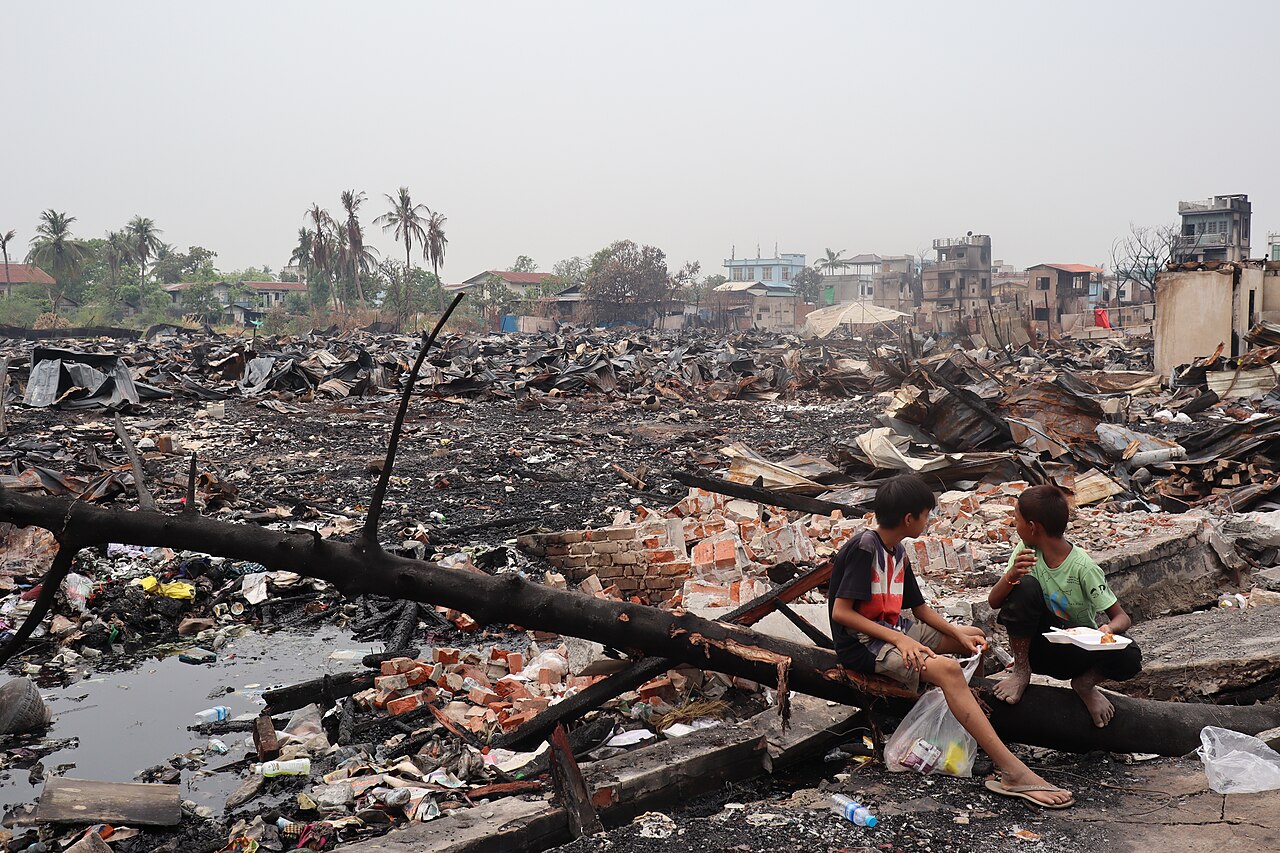
This special issue features analysis from some of the most capable experts, each of which—in part—illustrates many of the most daunting regional challenges. For example, in Moe Thuzar’s analysis of post-2021 security challenges in Myanmar, she cites the acceleration of the country’s “migration moment”, where neighboring countries like Bangladesh are coping with over a million refugees, but the largely unaddressed challenge of over 3.5 million internally displaced people. External migration challenges health and education systems, but is also driven by a desire to avoid conscription by the Tatmadaw.
In Indonesia, religious intolerance is on the rise, with more than 470 incidents in 2024 alone. In Sumanto Al Qurtuby’s frank analysis, intolerance is often overlooked by the threats posed by terrorism and poses challenges to both national security and social cohesion. Sumanto suggests that the consequences associated with intolerance are wide ranging and come from various actors including government officials, legislators, security personnel, and civil society.
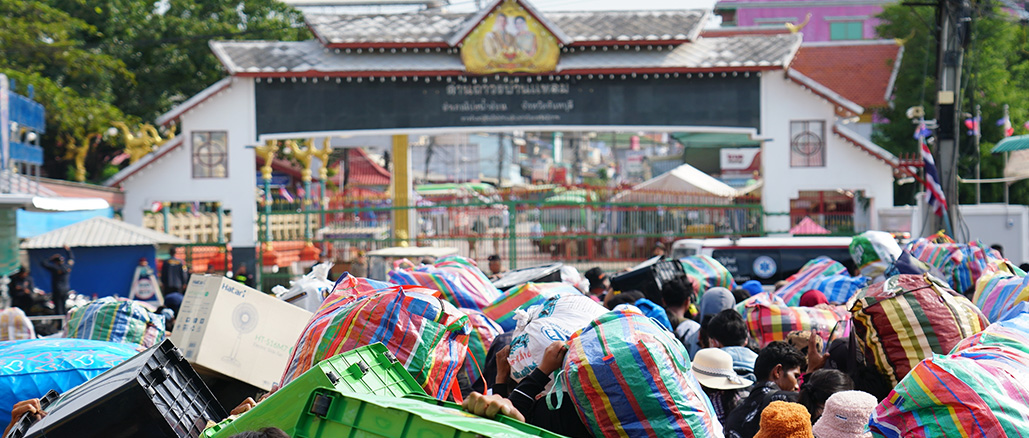
Cambodian migrants face new challenges, as David Hutt highlights, amid the Hun regime’s 2025 call for more than 900,000 migrant workers to return from Thailand as a result of escalating cross-border tensions with Thailand. In addition to a reliance on remittances, the mass return of workers also put strain on household debt, as well as access to education and healthcare. Hutt’s succinct analysis demonstrates the ripple effects of conflict, from the temporary nature of nationalist sentiment to the long-term effects of legitimate economic grievances on the part of Cambodia’s most vulnerable populations.
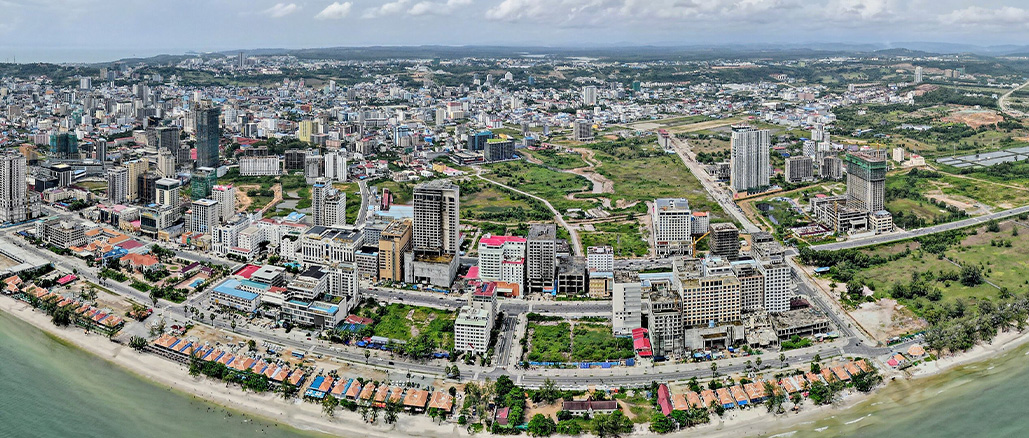
In addition to recent cross-border tensions with both Cambodia and Myanmar, Thailand has had difficulty in adapting to the pace of criminality in the region, punctuated by a series of high-profile abductions from Thai soil into Myanmar by criminal syndicates. The proliferation of scam operations has affected people well beyond the region, extending into parts of Africa where eager job seekers were ensnared, and later rescued. Mark S. Cogan’s analysis of scam operations in Southeast Asia finds that Thailand is well behind Singapore and other ASEAN countries in efforts to contain a yet uncontrolled criminal enterprise.
However, some states are responding to challenges, as outlined in Virgemarie Salazar’s analysis of climate change responses within ASEAN. For example, the Philippines has integrated resilience into its 2023-2028 National Security Policy, while its National Adaptation Plan (2023-2050) addresses issues related to infrastructure and strengthening social safety nets. However, as Great Power rivalry persists, Salazar suggests, climate cooperation is threatened, from green supply chains, reluctance on the part of the US to honor previous commitments to the 2015 Paris Agreement and the unintended consequences of defense spending on climate finance.
Mark S. Cogan
Associate Professor of Peace and Conflict Studies, Kansai Gaidai University, Osaka, Japan
Guest Editor – Issue 42, Kyoto Review of Southeast Asia, March 2026
Main Articles in eight languages
Article 1 by Moe Thuzar

- The Challenges of Addressing Myanmar’s Post-2021 Security Challenges
- ความท้าทายของการรับมือกับความท้าทายด้านความมั่นคงหลังปี 2021 ของเมียนมา
- Tantangan dalam Menangani Keamanan Myanmar Pasca-2021
- ミャンマー2021年以降の安全保障問題への対応の課題
- Những thách thức trong xử lý các vấn đề an ninh của Myanmar sau năm 2021
- Mga Hamon sa Pagtugon sa mga Suliraning Panseguridad ng Myanmar Pagkatapos ng 2021
- မြန်မာနိုင်ငံ၏ ၂၀၂၁ ခုနှစ်နောက်ပိုင်း လုံခြုံရေးစိန်ခေါ်မှုများကို ကိုင်တွယ်ဖြေရှင်းရာတွင်ရှိသည့် စိန်ခေါ်မှုများ
- បញ្ហាប្រឈមក្នុងការដោះស្រាយសន្តិសុខរបស់មីយ៉ាន់ម៉ា ក្រោយឆ្នាំ ២០២១
Article 2 by Sumanto Al Qurtuby

- Glorifying Terrorism, Ignoring Religious Intolerance
- Mengagung-agungkan Terorisme, Mengabaikan Intoleransi Beragama
- การสรรเสริญการก่อการร้าย การเพิกเฉยต่อความไม่อดทนทางศาสนา
- 光が当たるテロと顧みられない宗教的不寛容
- Tôn vinh chủ nghĩa khủng bố, làm ngơ trước nạn bất khoan dung tôn giáo
- Pagtataas sa Terorismo, Pagpapabaya sa Kawalang-Pagpaparayang Panrelihiyon
- အကြမ်းဖက်ဝါဒကို အမွှန်းတင်ခြင်း၊ ဘာသာရေး သည်းမခံနိုင်မှုကို လျစ်လျူရှုခြင်း
- ការលើកតម្កើងយន្តការប្រឆាំងភេរវកម្ម ប៉ុន្តែមើលរំលងភាពមិនអត់ឱនសាសនា
Article 3 by David Hutt
- Mass Remigration as a Non-Traditional Threat in Cambodia
- Re-migrasi Massal sebagai Ancaman Non-Tradisional di Kamboja
- การกลับถิ่นฐานจำนวนมากคือภัยคุกคามรูปแบบใหม่ในกัมพูชา
- カンボジアの非伝統的な脅威としての大量帰還
- Tái di cư hàng loạt như một mối đe dọa an ninh phi truyền thống ở Campuchia
- Maramihang Muling-Migrasyon Bilang Isang Di-Tradisyunal na Banta sa Cambodia
- ကမ္ဘောဒီးယားတွင် ကြုံတွေ့နေကျ ခြိမ်းခြောက်မှုမဟုတ်သော အစုလိုက်အပြုံလိုက် ပြန်လည်ပြောင်းရွှေ့နေထိုင်ခြင်း
- ការធ្វើមាតុភូមិនិវត្តន៍ទ្រង់ទ្រាយធំ ជាការគំរាមកំហែងមិនមែនប្រពៃណីក្នុងប្រទេសកម្ពុ
Article 4 by Mark S. Cogan
- Thailand’s Anti-scam Efforts are well Behind the Pace of Criminality
- Upaya Anti-Penipuan di Thailand jauh tertinggal dari Laju Kriminalitas
- ความพยายามต่อต้านสแกมของไทยล้าหลังความก้าวหน้าของอาชญากรรมอย่างมาก
- 犯罪ペースに全く追いつかないタイの詐欺防止対策
- Tốc độ tội phạm lừa đảo vượt xa nỗ lực ứng phó của Thái Lan
- Lubhang Nahuhuli Kaysa Bilis ng Kriminalidad ang mga Pagsisikap ng Thailand para Labanan ang Scam
- ထိုင်းနိုင်ငံ၏ လိမ်လည်မှု တိုက်ဖျက်ရေး ကြိုးပမ်းမှုများသည် ရာဇ၀တ်မှုနှုန်းနောက် လိုက်မမီဖြစ်နေ
- កិច្ចខិតខំប្រឹងប្រែងប្រឆាំងនឹងការឆបោករបស់ថៃ នៅមានកម្រិតយឺតយ៉ាវខ្លាំងនៅឡើយ បើធៀបនឹងល្បឿននៃបទល្មើស
Article 5 by Virgemarie A. Salazar
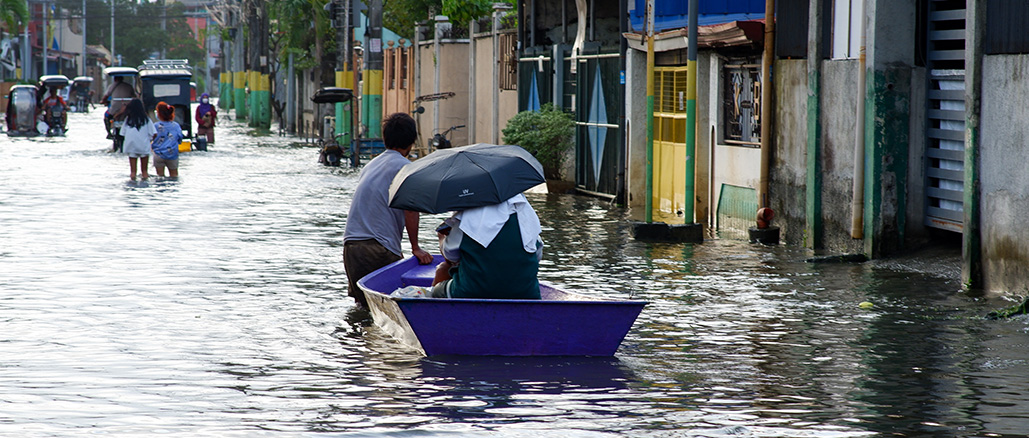
- Climate Action in Southeast Asia: Responses from ASEAN and the Philippines
- Aksi Iklim di Asia Tenggara: Sejumlah tanggapan dari ASEAN dan Filipina
- การรับมือกับการเปลี่ยนแปลงสภาพภูมิอากาศในเอเชียตะวันออกเฉียงใต้: มุมมองของอาเซียนและฟิลิปปินส์
- 東南アジアの気候変動対策:ASEANとフィリピンの対応
- Hành động vì khí hậu ở Đông Nam Á: Những hồi ứng ở ASEAN và Philippines
- Aksyong Pangklima sa Timog-Silangang Asya: Mga Tugon mula sa ASEAN at Pilipinas
- အရှေ့တောင်အာရှရှိ ဥတုပြောင်းလဲခြင်းဆိုင်ရာ ဆောင်ရွက်မှု – အာဆီယံနှင့် ဖိလစ်ပိုင်တို့မှ လုပ်ဆောင်မှုများ
- សកម្មភាពអាកាសធាតុនៅក្នុងតំបន់អាស៊ីអាគ្នេយ៍៖ ការឆ្លើយតបពីអាស៊ាន និងហ្វីលីពីន
Book Reviews from Issue 42 (March 2026)
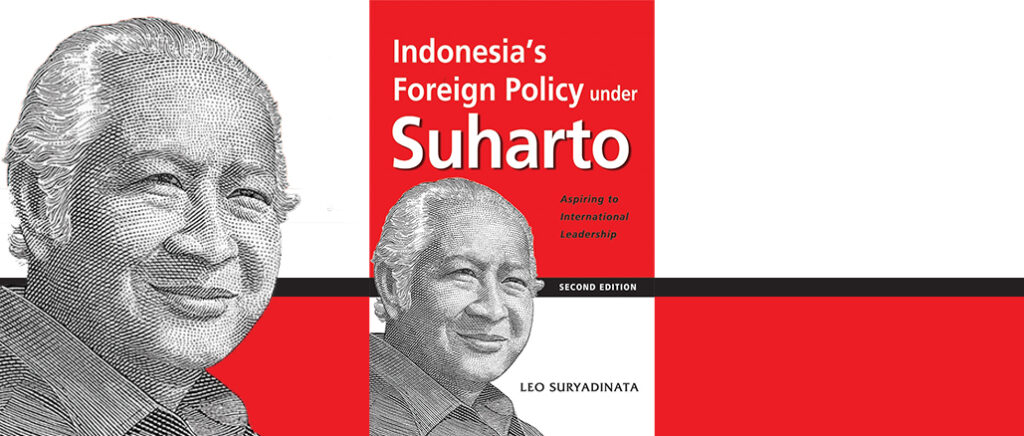 Author: Leo Suryadinata Singapore: ISEAS-Yusof Ishak Institute, 2022 Reviewed by Vibhanshu Shekhar |
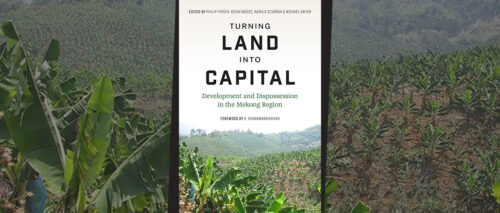 Editors: Philip Hirsch, Kevin Woods, Natalia Scurrah, & Michael B. Dwyer University of Washington Press (2022) Reviewed by Paul Rabé |
 Authors: Joe Freeman, & Aung Naing Soe River Books, (2025) Reviewed by Benjamin Zawacki |
 Author: Robert W. Norris Manchester: Tin Gate, (2023) Reviewed by Mark S. Cogan |
|
|



References
Amarthalingam, S., & Sinorn, T. (2025, September 8). Returning Migrants, A Silver Lining to Cambodia’s GDP Growth, but Struggles Persist. Kiripost. https://kiripost.com/stories/returning-migrants-a-silver-lining-to-cambodias-gdp-growth-but-struggles-persist
Bangladesh. (2025, December 4). UNHCR. https://www.unhcr.org/where-we-work/countries/bangladesh
Gan, N., Jiang, J., & Olarn, K. (2025, January 15). A Chinese actor was abducted from Thailand. His swift return has sparked hopes – and fears – back home. CNN. https://edition.cnn.com/2025/01/14/china/china-actor-thailand-scam-myanmar-intl-hnk
Noor, H., & Suryana, A. (2024, October 18). State Complicity in Religious Intolerance under the Widodo Administration. Fulcrum – ISEAS. https://fulcrum.sg/state-complicity-in-religious-intolerance-under-the-widodo-administration/
Ratcliffe, R., & Siradapuvadol, N. (2021, June 30). Thailand bans sharing of news that ‘causes public fear’ amid pandemic criticism. The Guardian. https://www.theguardian.com/world/2021/jul/30/thailand-bans-sharing-of-news-that-causes-public-fear-amid-pandemic-criticism
Ross, S. (2025, April 3). In Myanmar, A Tragedy Atop A Crisis. Stimson Center. https://www.stimson.org/2025/in-myanmar-a-tragedy-atop-a-crisis/
Taniushkina, D., Lukashevich, A., Shevchenko, V. et al. Case study on climate change effects and food security in Southeast Asia. Sci Rep 14, 16150 (2024). https://doi.org/10.1038/s41598-024-65140-y
The White House. (2026, January 7). Fact Sheet: President Donald J. Trump Withdraws the United States from International Organizations that Are Contrary to the Interests of the United States. The White House. https://www.whitehouse.gov/fact-sheets/2026/01/fact-sheet-president-donald-j-trump-withdraws-the-united-states-from-international-organizations-that-are-contrary-to-the-interests-of-the-united-states/